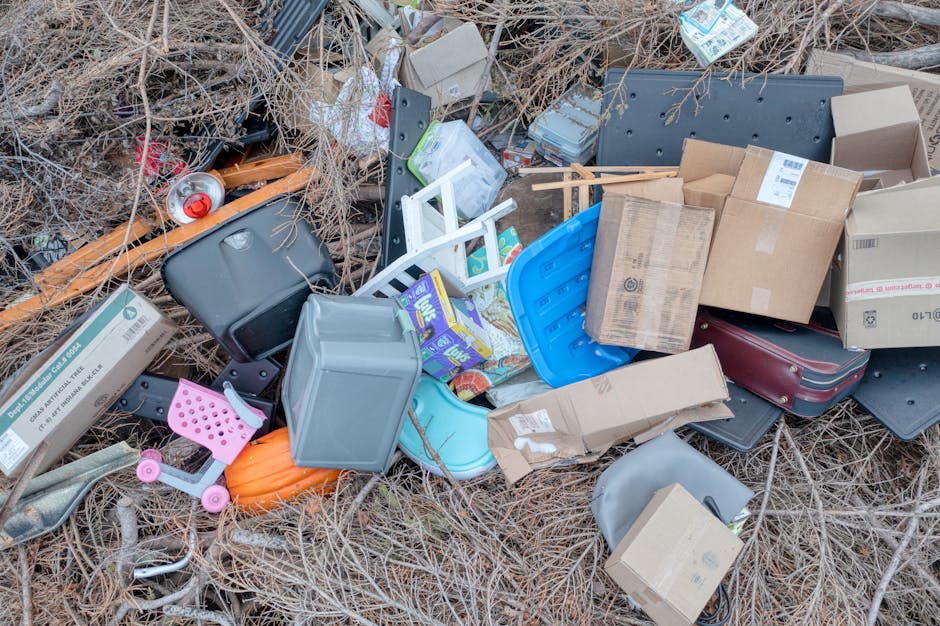
Rubbish disposal near Box Hill best spots and rules
Posted on 13/10/2026
If you are trying to sort out rubbish disposal near Box Hill best spots and rules, you are probably after two things at once: somewhere practical to take waste, and confidence that you are doing it properly. That sounds simple enough. In real life, it rarely is. You have got different waste types, access issues, local rules, and the usual question of whether it is worth loading the car on a Sunday morning just to avoid a messy driveway for another week.
This guide walks through the most sensible disposal options around Box Hill, what to think about before you tip anything away, and the rules that tend to catch people out. We will cover household clear-outs, garden waste, DIY debris, bulky items, and the differences between lawful disposal routes. You will also find a comparison table, a checklist, practical examples, and answers to the questions people genuinely ask when they are staring at a pile of stuff and thinking: now what?
Why Rubbish disposal near Box Hill best spots and rules Matters
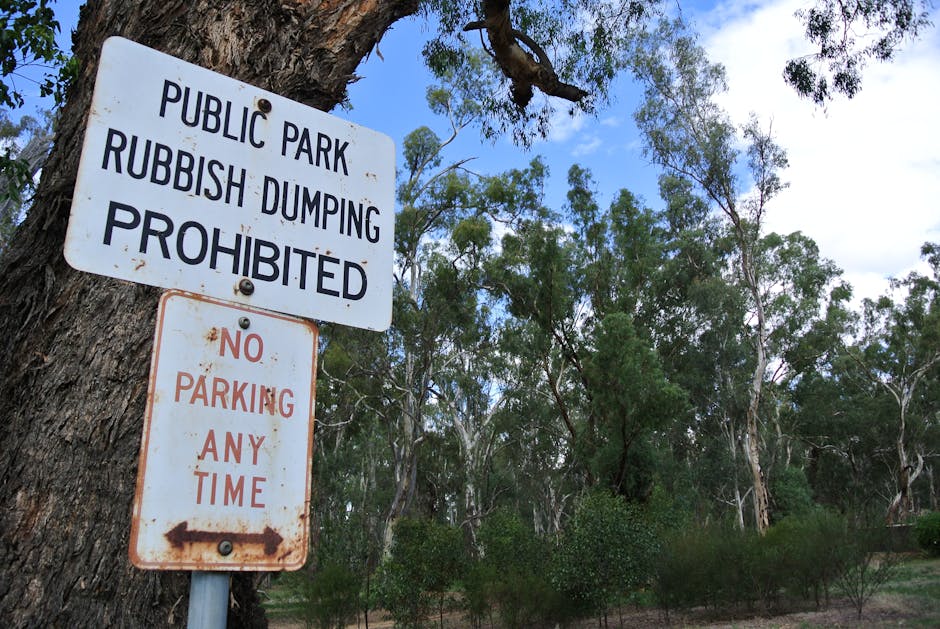
Box Hill sits in a part of Surrey where people care about tidy homes, clean streets, and the landscape itself. That matters because rubbish disposal is not only about getting rid of things; it is about doing it in a way that protects the area, avoids fines or rejected loads, and keeps local roads and spaces usable for everyone. Truth be told, waste left out of place gets noticed quickly.
For residents, landlords, tradespeople, and small businesses around Box Hill, the practical challenge is usually not finding a way to dispose of rubbish. It is choosing the right one. A broken wardrobe, builders' rubble, hedge cuttings, and old electrical items all follow different rules. Mix them up and you may end up paying more, making an extra trip, or having waste refused altogether.
There is also the issue of environmental responsibility. Good disposal practice helps divert recyclable material away from landfill where possible, and it reduces the risk of fly-tipping, which is a real nuisance in semi-rural areas. Nobody wants to drive past a hedgerow with a dumped mattress in it. It just looks awful, and honestly, it is avoidable.
Practical takeaway: the best disposal option is usually the one that matches your waste type, volume, urgency, and access conditions-not just the one that seems closest on a map.
How Rubbish disposal near Box Hill best spots and rules Works
In plain terms, rubbish disposal around Box Hill usually falls into one of a few routes: reuse, recycling, council-run services, permitted household waste sites, or a licensed private clearance service. The "best spot" depends on what you are throwing away and how much of it there is. A bag of mixed household clutter is a different job from a shed full of wet timber and broken tiles.
Most people start by sorting waste into broad groups:
- General household rubbish such as packaging, broken non-recyclable items, and mixed clutter.
- Recyclables including cardboard, certain plastics, metal cans, glass, and clean paper.
- Garden waste such as branches, grass cuttings, leaves, and soil in limited quantities.
- DIY and builders' waste like plasterboard, timber offcuts, tiles, bricks, and rubble.
- Bulky items such as sofas, mattresses, wardrobes, and appliances.
- Special items including fridges, TVs, paint, chemicals, and anything with oils, batteries, or refrigerants.
In practice, the rules are shaped by whether a waste site accepts the item, how it should be separated, and whether you need to book in advance. Some routes are fine for a one-off household clear-out, while others make more sense for regular waste generation. If you are unsure, do not guess. It is better to pause for ten minutes than to load the car only to find the site will not take half of what you brought.
If you are planning a larger clearance, it can help to review a wider range of services first. For example, a general look at services overview can help you decide whether you need a full clearance, a specific item pickup, or simply a well-planned trip to a disposal point.
Key Benefits and Practical Advantages
Choosing the right disposal route near Box Hill has a few obvious benefits, and a few quieter ones that people only notice later.
- Saves time: sorting waste before you leave means fewer wasted trips and less standing around at a site asking what goes where.
- Reduces costs: separating recyclables and keeping prohibited items out of mixed loads can prevent extra charges.
- Helps with compliance: using the correct route lowers the risk of breaching waste rules or handing waste to an unlicensed operator.
- Protects property access: a tidy clearance is safer for driveways, narrow lanes, and shared access points.
- Improves recycling outcomes: clean separation gives more material a proper second life.
- Reduces stress: getting clutter out in one planned go is far calmer than living with it for three more weeks.
There is also a practical comfort in knowing the job is handled properly. You are not left wondering whether a pile of rubble behind the garage will turn into a problem later. A lot of people underestimate that part. Then the weekend arrives, the mess is still there, and everybody is a bit fed up with it.
Who This Is For and When It Makes Sense
This kind of guidance is useful for a wide mix of people around Box Hill and nearby parts of Surrey:
- Homeowners clearing out lofts, garages, sheds, or gardens.
- Renters moving out and needing a tidy, lawful way to dispose of unwanted items.
- Landlords and letting agents dealing with end-of-tenancy clutter.
- Tradespeople who need a sensible route for light construction waste.
- Small businesses with bulky packaging, old fixtures, or office decluttering.
- Families doing a seasonal reset after a move, renovation, or garden project.
It makes sense to think about disposal early if the waste is heavy, awkward, or time-sensitive. A few black sacks after a tidy-up? Simple enough. A bathroom strip-out with broken tiles and plasterboard? That is a different beast. Likewise, if you have mixed waste and not much vehicle space, planning first will save you a headache later.
One small local reality: Box Hill roads and access points can be less forgiving than a big retail park. If you are hauling waste yourself, size and weight matter more than people expect. The back of the car fills up fast. Very fast.
Step-by-Step Guidance
Here is a straightforward process that works well for most rubbish disposal jobs near Box Hill.
- Identify the waste type. Separate general rubbish, recyclables, garden waste, DIY debris, and anything special such as appliances or hazardous items.
- Check what can be reused. If furniture, tools, or household items are still usable, consider passing them on before disposal. A chair with a bit of life left in it should not be thrown away just because it is no longer your style.
- Estimate the volume. One car boot load, a small van load, or several cubic yards? The scale changes the best option.
- Choose the route. Compare council facilities, private waste removal, and any local reuse or recycling outlets that suit the material.
- Prepare the waste properly. Flatten cardboard, bag small items, keep sharp objects safe, and separate items if requested.
- Check access and timing. If you are visiting a site, think about opening hours, booking needs, and traffic. Early morning is often calmer, and less of a faff.
- Load safely. Put heavy items low down, secure loose material, and avoid overfilling the vehicle.
- Keep records if using a removal service. A written receipt or job note is helpful, especially for larger clearances or business waste.
If you are not sure whether an item belongs in a certain stream, put it aside and check before mixing it in. That tiny pause can save you from having a whole load rejected. Been there, seen that, not fun.
Best spots in practice: how to think about the right destination
Rather than naming a single "best" place for every situation, it is more useful to think in categories. The best spot for you is usually the one that matches the job in front of you:
- Household waste sites suit mixed domestic items, especially when you have already sorted them properly.
- Recycling-oriented facilities are better when the load is mostly clean cardboard, metal, glass, or separable materials.
- Garden waste routes work well for branches, cuttings, and soil where permitted.
- Private clearances make sense if you value speed, labour, and collection from your property over doing the driving yourself.
- Reuse or donation routes are best for furniture, electricals, and household items still in decent condition.
Expert Tips for Better Results
The little things make a big difference with rubbish disposal near Box Hill. In our experience, the smoothest jobs are the ones where someone spent ten minutes thinking before the first bin bag moved.
- Pre-sort by material, not by room. "Kitchen waste" sounds tidy, but a proper material sort works better for disposal.
- Keep clean recyclables clean. A load of cardboard gets much easier to handle if it is not soaked, greasy, or mixed with food waste.
- Flatten everything you reasonably can. Boxes, packaging, and lightweight items take up more space than they look like they should.
- Use sturdy containers for sharp or dusty waste. Nails, broken glass, and rubble bits are best handled safely, not as an afterthought.
- Plan the loading order. Heavy items first, lighter items on top. Simple rule, but people forget it when the kettle has not kicked in yet.
- Think about weather. Rain turns garden waste heavy and messy very quickly. If it is a damp Surrey morning, you will notice the difference.
- Ask what is accepted before you travel. This is especially helpful for appliances, paint, mattresses, and DIY debris.
A useful rule of thumb: if an item is awkward, dusty, oily, or contains more than one material, treat it as a special case. That one mindset can prevent half the common mistakes.
Common Mistakes to Avoid
People tend to make the same few errors, and most of them are easy to avoid once you know what to watch for.
- Mixing waste types together. This is the classic one. Mixed loads are often more expensive and more likely to be rejected.
- Leaving disposal until the last minute. That is how rushed choices happen.
- Ignoring access limitations. Narrow driveways, limited parking, and awkward turning space can all affect how you dispose of waste.
- Not checking site rules. Some places have limits on vehicle type, load size, or item category.
- Assuming all appliances are the same. They are not. Fridges, freezers, and screen-based items often need special handling.
- Using unlicensed collectors. If someone offers a suspiciously cheap collection with no paperwork, be careful. Very careful.
- Overloading a vehicle. Unsafe loading is a nuisance at best and dangerous at worst.
Another surprisingly common issue is overconfidence with "just a small amount." Small amounts become big loads once they are bagged, boxed, and dragged into the driveway. Funny how that works.
Tools, Resources and Recommendations
You do not need fancy equipment to dispose of rubbish properly, but a few simple tools make life easier:
- Heavy-duty bags for general rubbish and light debris.
- Strong gloves for broken materials, garden waste, and dusty clear-outs.
- Boxes or crates for items that need sorting or safer carrying.
- Tape and labels to separate recyclables, donations, and waste streams.
- Trolley or sack truck for heavy items, especially if you are moving things across a driveway or path.
- Dust sheets or tarps to keep vehicles cleaner and protect floors during loading.
For readers planning larger domestic or mixed-property clearances, it can also help to understand the company's wider working standards. Pages such as insurance and safety, waste carrier licence and compliance, and pricing and quotes are useful when comparing options and checking what good service should look like.
And if you want a broader sense of the business behind the service, about us can help you understand who you are dealing with before you hand over your waste. That sounds obvious, but honestly, it is worth doing.
Law, Compliance, Standards, and Best Practice
Waste disposal in the UK is governed by a mix of legal duties and common-sense best practice. You do not need to be a compliance expert to get this right, but you do need to be cautious.
The big principles are straightforward:
- Duty of care matters. Waste should be passed only to a legitimate, authorised collector or taken to an appropriate disposal point.
- Records are useful. For business waste especially, keep paperwork or evidence of lawful transfer.
- Hazardous or specialist items need care. Do not put them in standard mixed waste unless the accepted route clearly allows it.
- Fly-tipping is not worth the risk. Dumping waste in the wrong place can lead to enforcement problems and is harmful to the local area.
- Local site rules vary. Even nearby facilities can have different acceptance criteria, booking systems, or restrictions.
Best practice also means thinking ahead about reuse and recycling before you jump to disposal. If an item can be repaired, donated, or separated for a cleaner recycling stream, that is usually the better move. Not always the easiest one, but usually the better one.
For households and businesses alike, the safest stance is simple: confirm what is accepted, sort waste carefully, and use a properly licensed route. If anything seems unclear, pause and verify. That small habit keeps you on the right side of things.
Options, Methods, and Comparison Table
Different disposal methods suit different jobs. Here is a practical comparison to help you choose.
| Option | Best for | Strengths | Watch-outs |
|---|---|---|---|
| Reuse or donation | Usable furniture, household items, working goods | Least wasteful, often the most sustainable | Items must be clean and in acceptable condition |
| Recycling route | Separated recyclables and clean material | Good environmental outcome, often efficient | Contamination can cause rejection |
| Council or household waste site | Domestic rubbish, garden waste, mixed household items | Good for many common waste types | May require sorting, booking, or proof of eligibility |
| Private waste collection | Bulky, awkward, time-sensitive clearances | Convenient, loaded from your property, saves lifting | Quality varies; use a licensed provider |
| Skip-style approach | Larger renovation or decluttering projects | Useful for ongoing jobs and larger volumes | Needs space, permits may apply, and filling rules matter |
For many Box Hill households, the best route is a mix rather than a single option. You might donate a sofa, recycle cardboard, and arrange a separate collection for rubble. That combination often works better than trying to make everything fit one method.
Case Study or Real-World Example
A fairly typical example: a couple in a Box Hill village property clears out a shed after a long damp winter. Inside they find old flowerpots, broken shelving, a few bags of general clutter, a rusted garden chair, and a stack of cardboard from recent deliveries. Nothing dramatic. Just one of those jobs that quietly grows teeth.
At first, they think about loading it all into one trip. But once they sort the items, the job becomes much easier. The cardboard can be flattened and recycled. The garden waste can be separated from the general rubbish. The chair, while not perfect, is still structurally sound enough to consider reuse. The broken shelving and mixed clutter are the only items that really need disposal as waste.
By splitting the job this way, they avoid paying for a mixed load larger than necessary, reduce the chance of rejection, and finish faster. More importantly, the shed is left clean enough to actually use again, which was the whole point. A small win, but a satisfying one.
Practical Checklist
Use this checklist before you move anything.
- Have I sorted the waste into the right categories?
- Are any items reusable, repairable, or suitable for donation?
- Do I know what the local disposal point or collector accepts?
- Have I separated special items like appliances, paint, or sharp materials?
- Is my vehicle, access route, or collection point suitable for the load?
- Do I have bags, gloves, boxes, or loading gear ready?
- Have I checked whether booking, proof of address, or identification is needed?
- Do I understand any charges, weight limits, or item restrictions?
- Is the waste being passed to a properly licensed route?
- Have I planned the job so I only need to handle the waste once?
If you can tick most of those off, you are in good shape. If not, take another look before the truck rolls or the boot fills up.
Conclusion
Rubbish disposal near Box Hill best spots and rules is really about matching the right waste to the right route. That is the whole game. Once you sort the material properly, check the rules, and choose a sensible option, the job becomes much less stressful and a lot more efficient.
Whether you are clearing a garden, shifting a few bulky items, or dealing with a bigger household load, the best results usually come from planning first and disposing second. A careful approach protects the environment, saves time, and avoids the kind of awkward mistakes that turn a simple task into a weekend saga.
Get a free quote today and see how much you can save.
And if you are still deciding, that is fine too. A steady, well-planned clearance is often the calmest way through it, and calm is underrated.