Affordable rubbish removal Woking Station areas explained
Posted on 12/08/2026
If you live, work, rent, or manage property near Woking Station, rubbish has a habit of showing up at the worst possible time. A hallway turns into a dumping ground after a move. A broken wardrobe sits in the spare room. Builder's rubble appears after a quick kitchen refresh. And suddenly you're trying to work out what counts as "affordable" without ending up with a cheap-looking service that cuts corners.
This guide to Affordable rubbish removal Woking Station areas explained breaks the whole thing down clearly: what the service usually covers, how pricing tends to work, which local situations it suits, and how to avoid getting stung by hidden extras. We'll keep it practical, local, and honest. No fluff. Just the stuff people actually need when they're standing in front of a pile of unwanted junk at 7:30 on a wet Tuesday morning.
For a broader view of the company's approach to local work across the county, you may also find Surrey living from a local perspective helpful.
Quick take: affordable rubbish removal near Woking Station is usually about matching the right load size, the right collection window, and the right disposal route to your actual waste, not overpaying for a full service truck when a smaller collection would do.
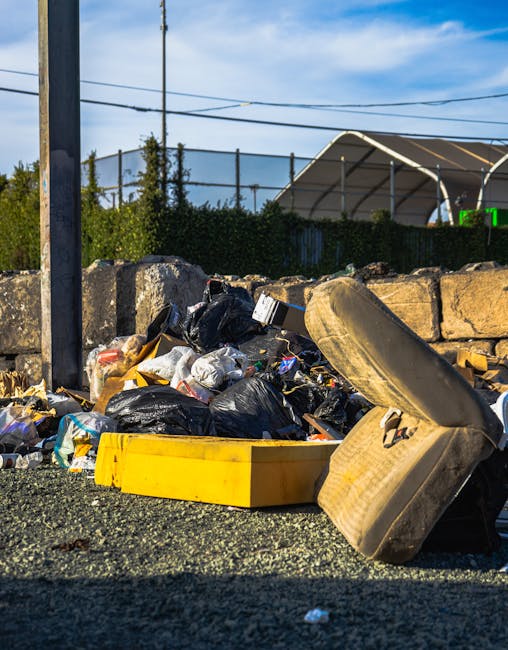
Why Affordable rubbish removal Woking Station areas explained Matters
Woking Station is a busy transport hub, and the surrounding streets and nearby residential pockets often mix commuters, renters, families, landlords, and small businesses. That mix matters because rubbish builds up differently in each setting. A flat near the station might need sofa removal after a tenancy change. A small office might want regular clear-outs to stop clutter creeping into storage space. A homeowner may only need a one-off garden waste collection after a weekend of pruning and fence repair.
Understanding the local picture helps you choose a service that feels affordable and sensible. Truth be told, the cheapest quote is not always the best value. If a provider charges low upfront but adds fees for stairs, access, parking delays, or mixed loads, the final bill can creep up quickly. That's especially relevant around station-adjacent areas where access can be tighter, parking can be awkward, and timing matters more than people expect.
There's also the practical side. A tidy property is easier to let, easier to sell, easier to live in, and less stressful to manage. If you've ever tried to work around an old mattress leaning against a wall, you'll know exactly what I mean. It just sits there, silently annoying everyone.
If you're comparing service standards, it can help to review the company's published services overview alongside its pricing and quotes guidance, because those pages usually explain what is included before you commit.
How Affordable rubbish removal Woking Station areas explained Works
At a basic level, rubbish removal works by matching your waste type and volume to a suitable collection method. The practical part is where most people either save money or waste it. A good local provider will usually ask what you have, how much of it there is, where it's located, and whether it needs lifting from inside the property, a garden, a loft, or a commercial unit.
That first conversation is not just admin. It sets the tone for the price. For example, a few bin bags, flat-pack packaging, and one broken chair are very different from a full garage clearance. Near Woking Station, where many homes and flats are compact, a tailored load is often the best fit. You don't need to pay for empty space on a larger vehicle if your job is small. Simple really.
Most services then arrange a collection time, remove the waste, load it safely, and take it for sorting, reuse, recycling, or disposal. If you're dealing with mixed materials, the provider may separate recyclable items from general waste. That can help keep costs under control and supports better waste handling overall.
For readers who want a more responsible disposal mindset, the company's recycling and sustainability page is worth a look. It gives a good sense of how waste should be handled beyond just "take it away and forget about it."
What usually counts as rubbish removal near the station
- Domestic junk from flats, maisonettes, and houses
- Furniture and bulky items
- Bagged household waste after clearing a room
- Garden clippings, branches, and soil bags
- Builder's debris from small renovation jobs
- White goods such as fridges, washing machines, and cookers
- Office clutter, archive waste, and unwanted fixtures
What can push the price up
- Heavy lifting from upper floors without lift access
- Parking restrictions or long carries to the vehicle
- Special waste requiring separate handling
- Very mixed loads that take longer to sort
- Urgent same-day timing, especially at busy periods
Key Benefits and Practical Advantages
Affordable rubbish removal around Woking Station is about more than saving a few pounds. Done well, it saves time, reduces stress, and keeps your property usable. That sounds obvious, but in day-to-day life it's a real quality-of-life thing. People often wait too long, and then the clutter starts affecting how they cook, sleep, work, and host visitors. Nobody enjoys balancing a recycling bag on top of a dining chair because the corner is full of boxes.
One major benefit is speed. If you've got a move-out deadline, end-of-tenancy handover, or a builder waiting to start, a fast collection can prevent delays. Another is convenience. You don't need to hire a van, find helpers, wrestle with heavy items, or make multiple trips to a disposal site.
There's also the reassuring part: a professional collection service should understand what should be reused, what can be recycled, and what needs careful disposal. That matters for peace of mind as well as good practice. And if safety is on your mind, the company's insurance and safety information explains the kind of protection and working standards you should expect from a serious operator.
Expert summary: the most affordable service is rarely the one with the lowest headline price. It's the one that clears the right waste, first time, with no awkward extras and no wasted trips.
Who This Is For and When It Makes Sense
This kind of rubbish removal is useful for a wide range of people around Woking Station. Some need it once a year. Others need it every few weeks. The common thread is this: you have waste that is too bulky, too awkward, or too much for normal household bins.
Typical users
- Renters clearing out after a move, or before a landlord inspection
- Homeowners dealing with a loft, garage, shed, or garden clear-out
- Landlords and letting agents managing end-of-tenancy rubbish and abandoned items
- Small businesses near the station needing quick clutter removal
- Tradespeople needing builder's waste taken away after a small job
- Families replacing furniture or white goods
It also makes sense when access is awkward. Station-area properties often have tight stairwells, limited parking, and awkward loading zones. In those cases, trying to do everything yourself can become a bigger job than the waste itself. If you've ever carried a dismantled wardrobe down two flights of stairs, you already know the flavour of regret that comes with DIY clearance.
For household cases, domestic waste collection in Surrey is the most relevant type of service; for larger household clearances, house clearance support may be a better fit. Furniture-heavy jobs often sit neatly under furniture removal, while kitchen or laundry upgrades often involve appliance disposal.
Step-by-Step Guidance
If you want the most affordable route, a little preparation goes a long way. The process is straightforward, but the details matter. Here's how to make it work properly.
- Sort the waste first. Separate general rubbish, furniture, garden waste, and items that may need special handling. This helps with pricing and avoids confusion later.
- Estimate the volume honestly. A single chair is not a van full. Equally, a "few bags" sometimes turns out to be a small mountain. Be fair to yourself and the crew.
- Take quick photos. A few clear images help the provider gauge the load and plan the right vehicle and labour.
- Check access. Note stairs, parking distance, security entry, narrow hallways, or timed restrictions. This is where station-area jobs can differ a lot from suburban ones.
- Ask what is included. Labour, loading, disposal, recycling, and VAT status should all be clear before the job starts.
- Pick a sensible time slot. If you are on a deadline, don't leave it to the last minute. Early action often costs less than rush panic later on.
- Confirm what cannot be taken. Every provider has limits. Better to know in advance than to find out at the kerbside.
- Keep the area clear. The easier it is to reach the waste, the smoother and quicker the collection will be.
That process sounds simple because, mostly, it is. The part people skip is the prep, and then they wonder why the quote changed. A bit of sorting now can save a surprising amount later.
Expert Tips for Better Results
Here's the kind of advice that tends to save money without cutting corners.
1. Bundle similar items together
Mixed loads are slower to sort. If you can keep furniture together, garden waste together, and household rubbish together, the collection often runs more efficiently. Efficiency is one reason a service feels affordable in the first place.
2. Choose the right time of day
Near Woking Station, mornings can be smoother for access, especially if the surrounding roads get busier later. That said, the right slot depends on your own schedule. The point is to avoid needless waiting around.
3. Don't hide awkward items
If there's a heavy item in the loft, say so. If there's damp waste in the garden, mention it. Surprises are what make a clear quote go sideways.
4. Think in terms of value, not just price
A provider that turns up on time, clears everything safely, and leaves the area tidy can be better value than a slightly cheaper outfit that makes you do half the work. Rather obvious, but people forget when they're in a hurry.
5. Ask how waste is handled
Good operators should be able to explain the general approach to recycling, reuse, and disposal in plain language. If they can't explain it simply, that's not a great sign.
If you want to know more about the company behind the service, the about us page gives useful background, and the waste carrier licence and compliance page is the one to read if you care about legitimacy, which you absolutely should.

Common Mistakes to Avoid
Affordable rubbish removal only stays affordable if the job is planned sensibly. These are the most common slip-ups.
- Booking the wrong type of service. A tiny clear-out does not need a giant vehicle, and a large house clearance should not be priced like a quick bag collection.
- Not checking access. Narrow stairs, locked gates, and parking issues can change the time needed.
- Leaving sorting until collection day. That often means more labour and less certainty.
- Assuming everything can go together. Some items need separate handling or may be restricted.
- Ignoring the paperwork side. If a provider cannot show compliance and clear payment terms, walk away.
- Chasing the very cheapest quote. Lowball pricing can hide problems that only show up once the job begins.
One small but important point: don't stack items dangerously while waiting for collection. It's not worth it. A toppled wardrobe or wobbling TV stand can turn a tidy clear-out into a nuisance fast.
Tools, Resources and Recommendations
You don't need specialist kit for most clearances, but a few simple tools make the day easier.
- Bin bags and recycling sacks for loose household waste
- Marker pen or tape to label what stays and what goes
- Basic gloves for sorting dusty or rough items
- Camera phone for photos and quote requests
- Measuring tape for larger furniture or access points
- Box cutter or screwdriver for safe dismantling where needed
For people dealing with renovation, the right service type matters. Builder's debris should usually be treated differently from general household clutter, so it's worth looking at builders waste removal in Surrey if you're tackling plasterboard, timber offcuts, or packaging after a small project.
And if the clear-out is part of a bigger change in lifestyle or property planning, a broader reading approach can help. Articles such as how to buy property in Surrey and an investing in Surrey real estate guide can be useful context for landlords and owners thinking about long-term property condition.
Law, Compliance, Standards, or Best Practice
Rubbish removal is not just a matter of lifting and loading. In the UK, waste must be handled responsibly, and the people taking it away should operate with the right permissions and processes. You do not need to become a compliance expert yourself, but you do need enough awareness to spot a proper operator from a risky one.
In practical terms, that means checking that the company is set up to transport waste legally, that it understands what can and cannot be taken, and that it has sensible safety procedures. You should also expect clear pricing, transparent payment handling, and respectful treatment of your property and access areas. For anyone who has had a bad experience before, this part matters more than people admit.
Best practice also includes keeping records where relevant, especially for business waste and landlord-related clearances. If you're managing a commercial space, commercial waste removal will usually need a more structured approach than a one-off domestic clearance.
And yes, safety is part of compliance too. Lifting awkward items, moving appliances, and carrying waste through communal areas all carry risk. A careful team, proper insurance, and sensible handling make the experience a lot smoother. It's boring until you need it. Then it's very important.
Options, Methods, or Comparison Table
Different waste situations call for different approaches. Here's a simple comparison to help you decide what fits best.
| Option | Best for | Strengths | Watch out for |
|---|---|---|---|
| Bagged rubbish collection | Small household clear-outs | Quick, tidy, usually cost-efficient | Not ideal for very heavy or bulky items |
| Furniture removal | Sofas, wardrobes, tables, beds | Good for awkward items and single pieces | Access and dismantling may affect timing |
| House clearance | Full rooms, estates, end-of-tenancy jobs | Comprehensive and convenient | More involved, so planning matters |
| Garden waste removal | Branches, clippings, soil bags | Useful after seasonal tidy-ups | Wet or mixed green waste can be heavier than expected |
| Builders waste removal | DIY and renovation debris | Handles project waste properly | Some materials may need separating |
For many people near Woking Station, the right answer is not one big dramatic clearance. It's a smaller, smarter choice that matches the actual job. That is where affordability tends to show up in real life.
Case Study or Real-World Example
Imagine a one-bedroom flat a short walk from the station. The tenant has moved out, leaving a broken bedside table, three bags of mixed rubbish, a worn chair, and an old microwave. There's also a narrow stairwell and one small parking window outside. Nothing wild. Just the kind of job that grows teeth if you leave it alone.
In that situation, a sensible collection might include photos sent ahead of time, a clear description of the items, and a booked slot that avoids the busiest traffic period. The crew arrives, confirms the load, removes the waste in one visit, and leaves the flat ready for cleaning and re-letting. No over-ordering. No unnecessary van hire. No hours spent arguing with a council-style bin arrangement that was never going to cope.
Now compare that with a small family house where the garage has become a graveyard for broken furniture, old toys, paint tins, and garden clippings. That job needs a little more sorting, maybe a different service mix, and a firmer plan around access and recycling. Same area, different needs. That's really the whole story here.
Practical Checklist
Use this checklist before you book:
- Have I sorted the waste into rough categories?
- Do I know whether it is household, furniture, garden, builder's, or appliance waste?
- Have I taken clear photos of everything?
- Have I checked stairs, lift access, gates, parking, and carry distance?
- Do I understand what is included in the quote?
- Have I asked about recycling, disposal, and any restricted items?
- Do I know the collection time and whether timing is flexible?
- Have I confirmed payment expectations in advance?
- Does the provider look compliant and insured?
- Am I choosing the service that fits the job, not just the cheapest headline number?
If you can tick most of those off, you're already ahead of the game. Seriously, that little bit of prep tends to pay for itself.
Conclusion
Affordable rubbish removal in the Woking Station areas is really about making good decisions early: choosing the right type of collection, describing the load accurately, checking access, and working with a provider that handles waste properly. Once those pieces are in place, the job becomes much simpler, quicker, and usually cheaper than people expect.
Whether you are clearing a flat near the station, sorting a garden in a nearby street, or getting a property ready for new tenants, the goal is the same: remove the mess without adding stress. That is a very achievable thing, honestly, when the service matches the situation.
Get a free quote today and see how much you can save.
If you want to keep building your understanding of local services and property context, it may also help to explore pages such as the suburban oasis of Surrey neighbourhood guide or the same-day rubbish clearance guide for a broader sense of how local clearances are approached across the area.